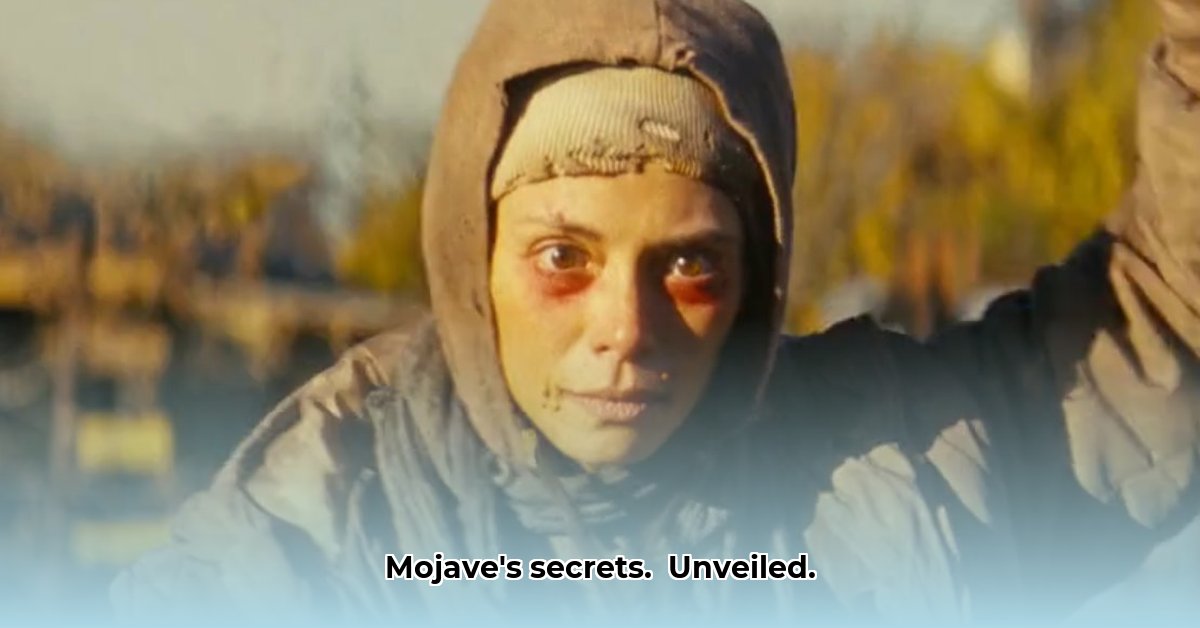
The Mojave Wasteland, a scorched expanse of broken dreams and shattered hope, harbors numerous threats. Yet, few are as chilling as the Fiends—a raider gang infamous for their extreme brutality and twisted rituals. Their legacy isn't merely survival; it's a macabre spectacle, a dance of violence fueled by potent chems and a complete disregard for human life. But what dark origins birthed this nightmare? Their past remains a captivating mystery, a puzzle that continues to fascinate and horrify even seasoned wasteland veterans. This article delves into the heart of the Fiends' depravity, exploring their societal structure, impact on the Mojave, and the lingering questions that still haunt the Fallout community.
A Twisted Legacy: The Vault 3 Hypothesis
One prevalent theory links the Fiends' origins to Vault 3, a pre-war bunker overflowing with potent chems. The easy access to these mind-altering substances presents a compelling explanation for their descent into depravity. Did these chems warp their minds, eroding their morality and fueling their violence? Or did the vault itself serve as a catalyst, exacerbating pre-existing violent tendencies within its inhabitants? Was it a perfect storm—a convergence of predispositions and a uniquely toxic environment? The debate continues to rage amongst wasteland historians, fueling speculation and discussion.
The Fiends' Twisted Society: Strength, Savage Loyalty, and Fragile Leadership
Forget rigid hierarchies; the Fiends’ social structure is defined by brutal strength and warped loyalties. They resemble a pack of rabid dogs—seemingly chaotic yet capable of terrifyingly coordinated attacks, fiercely defending their territory with ruthless efficiency. Their iconic horned helmets serve as grim symbols of their twisted unity. However, their leadership appears surprisingly unstable, lacking a clear succession plan. This hints at an underlying vulnerability, a chink in their armor masked by a ferocious exterior. This internal fragility, some researchers posit, could prove exploitable, suggesting a pathway to potentially disrupting their operations. Further investigation into their social dynamics is crucial. What rituals bind them together? How do they recruit new members? These questions remain largely unanswered.
A Wasteland Poisoned: The Fiends' Spreading Influence
The Fiends' depravity extends far beyond Vault 3, poisoning the very fabric of the Mojave. Their predatory attacks on unsuspecting travelers, the terror they inflict on settlements, and the trail of devastation they leave behind all contribute to a profound and lasting impact. But how did their presence shape the wider Mojave ecosystem? Did their existence force the development of other, more defensive communities? Did they drive rival gangs underground or force them to adopt more militaristic tactics? These questions necessitate further analysis. Their influence is a crucial element of the broader Mojave narrative, demanding focused attention.
Unanswered Questions: A Call for Further Research
Despite the glimpses into their horrific world provided by the game, numerous questions remain. What were their lives like before Vault 3? What drove their actions beyond mere survival? Were there any internal dissenters, individuals who sought to escape their cycle of violence? These unanswered questions represent fertile ground for ongoing study and debate within the Fallout community. Potential avenues for future research include analyzing game files for hidden clues, examining player interactions with the Fiends, and exploring the lore from future installments. Could we find evidence of an organization beyond the raw savagery?
Understanding the Fiends Through Data: A Framework for Future Research
To analyze the Fiends more objectively, a structured approach is necessary. While precise figures are elusive, the table below outlines potential avenues for future research, combining qualitative observations with suggestions for collecting quantifiable data:
| Factor | Potential Quantitative Data (Future Research) | Qualitative Observations |
|---|---|---|
| Troop Numbers | Number of Fiends encountered in various locations, averaged across multiple playthroughs | Highly variable group sizes; often employ ambush tactics. |
| Arsenal | Types and quantities of weapons observed in player encounters | Preference for melee weapons and improvised explosives; limited access to advanced technology. |
| Territory | Detailed maps charting controlled areas and frequency of appearances across various playthroughs | Primarily centered around Vault 3, occasional incursions into other regions. |
| Player Mortality Rate | Number of player deaths attributed to Fiend encounters, averaged across playthroughs | Extremely dangerous to face unprepared; high mortality risk against larger groups. |
| Recruitment/Retention | Analysis of player interactions and Fiend dialogue (if available) | Likely involves coercion and intimidation; high turnover due to deaths and desertions. |
The Dangers of Uncontrolled Pre-War Technology: A Risk Assessment
The Fiends' rise serves as a stark warning about the dangers of unchecked access to pre-war technology, particularly potent chems. The following table outlines the key risks of such uncontrolled access and potential mitigation strategies:
| Risk Category | Likelihood | Severity | Mitigation Strategies |
|---|---|---|---|
| Substance Dependence | Very High | Catastrophic | Secure and destroy remaining pre-war chems; implement widespread addiction treatment programs. |
| Widespread Mayhem | Very High | Catastrophic | Strengthen law enforcement; foster community stability and social programs to curb violence. |
| Societal Breakdown | High | High | Extensive social rehabilitation programs; community-building initiatives; educational outreach. |
| Ecological Damage | Moderate | Moderate | Implement waste management and population control to limit environmental degradation. |
The Fiends aren't merely antagonists in the Fallout universe; they represent a symptom of a broken world, a chilling testament to unchecked violence and societal collapse. Understanding their history, behavior, and impact provides invaluable insight into the fragility of post-apocalyptic societies. The deeper we delve into the Fiends' story, the more we understand the intricate tapestry of the Mojave Wasteland and, ultimately, the enduring complexities of the human condition.
⭐⭐⭐⭐☆ (4.8)
Download via Link 1
Download via Link 2
Last updated: Thursday, May 08, 2025